

AI, and particularly the topic of warehouse robotics, is a common discussion across warehouses in the UK and beyond.
Warehouse robotics was once a competitive advantage reserved for global logistics giants However, it is now a practical, scalable option for businesses of every size.
From autonomous mobile robots navigating busy picking floors to AI-powered systems that track inventory in real time, the technology available in 2026 is faster, smarter and more accessible than ever before.
This guide from Logical Storage Solutions covers the key types of warehouse robotics to know about in 2026.
We'll run you through the latest technology shaping the industry, the business benefits of adoption, plus how warehouse racking and infrastructure may need to adapt as a result.
What Is Warehouse Robotics?
Warehouse robotics refers to automated machines and systems designed to handle tasks traditionally carried out by human workers in storage and fulfilment environments. These include moving goods around a facility, picking and packing orders, scanning and auditing inventory, and transporting pallets between receiving and storage areas.
The goal is not to replace the workforce entirely but to handle repetitive, physically demanding or time-sensitive tasks more efficiently, freeing staff for higher-value work.
Types of Warehouse Robots in 2026
Just like there are many types of pallet racking, there are also many types of warehouse robotics to consider investing in. As you might expect, the choices cover the different inventories and overall storage and distribution needs a warehouse may have.
So let’s take a look at the main contenders for 2026:
Autonomous Mobile Robots (AMRs)
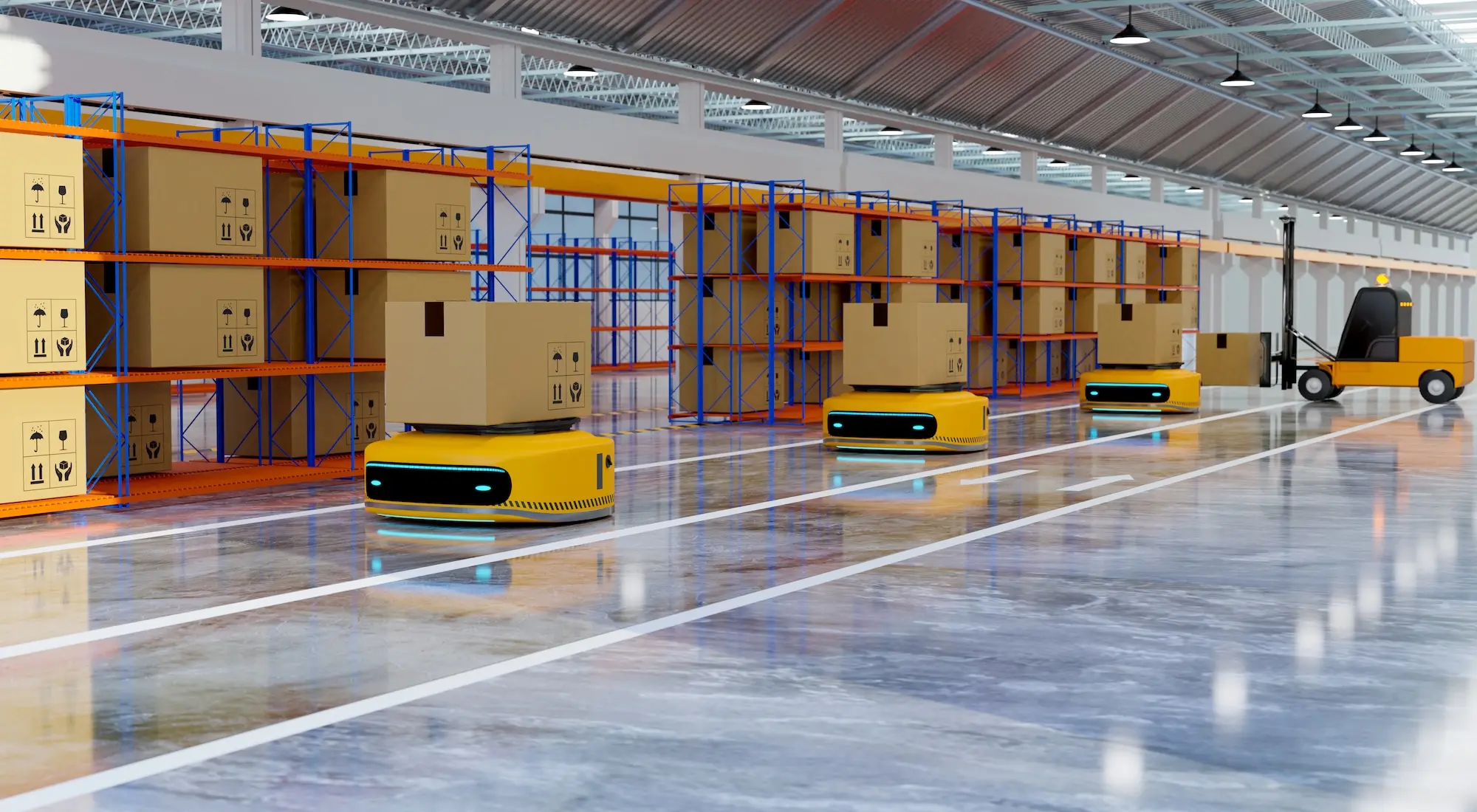
AMRs are one of the most widely deployed robot types in modern warehouses. They navigate independently using SLAM (Simultaneous Localisation and Mapping) technology or floor-embedded barcodes, adapting their routes in real time around obstacles and changing layouts. AMRs are particularly well suited to ecommerce, third-party logistics and omnichannel fulfilment environments where flexibility is a priority.
Locus Robotics AMRs, for example, have now completed over a billion picks at DHL, a milestone that reflects just how far this technology has matured in real-world deployment.
Automated Guided Vehicles (AGVs)
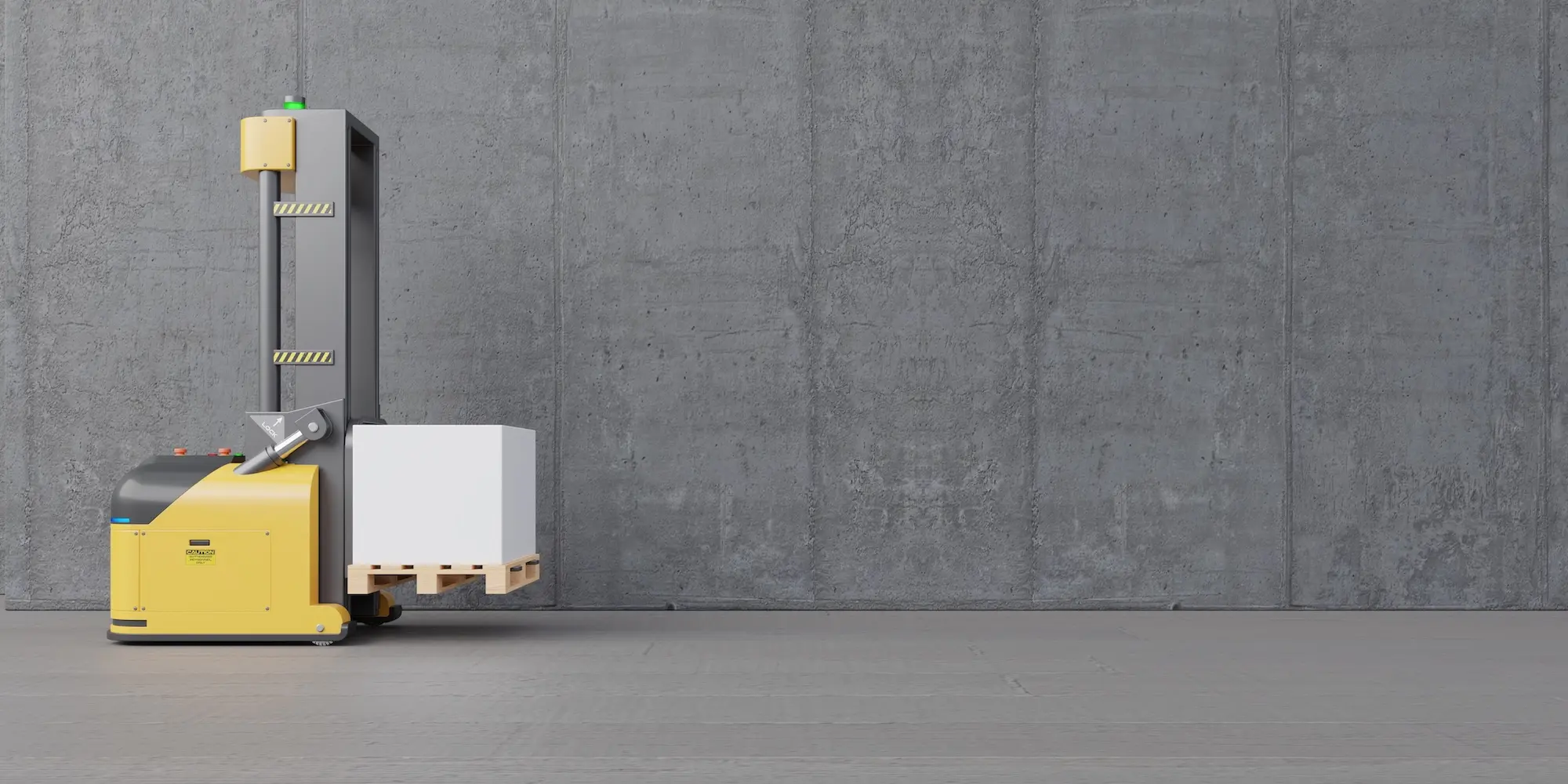
AGVs are the heavier-duty counterpart to AMRs. They follow predetermined paths using magnetic tape, floor markers or laser reflectors and are designed for high-volume, predictable pallet movement between fixed points. Where AMRs think and adapt, AGVs follow and execute. A warehouse deploying both types together is increasingly common: AGVs handling bulk pallet transfers from the loading dock to storage, and AMRs managing flexible tote delivery to pick stations.
Automated Storage and Retrieval Systems (ASRS)
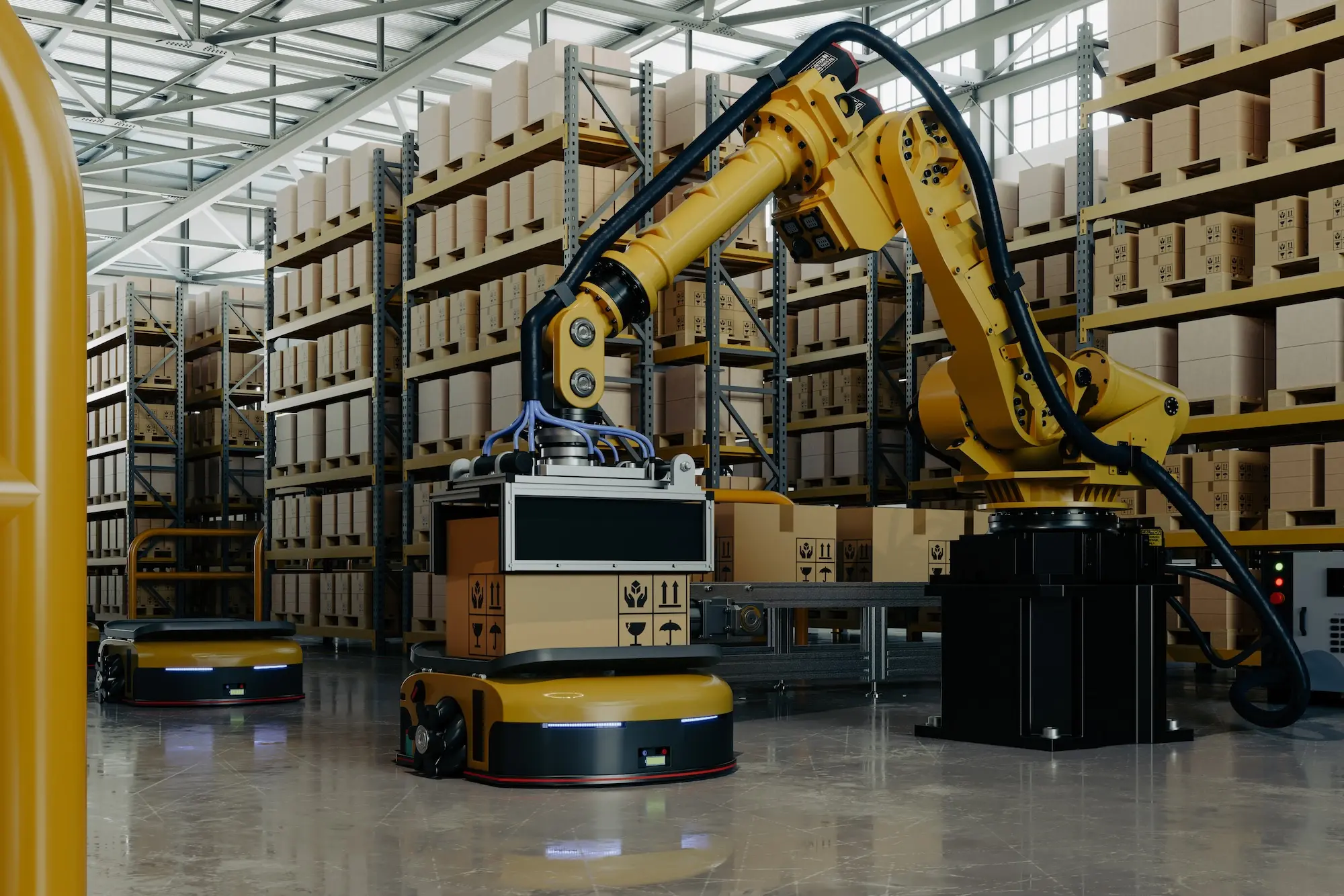
ASRS solutions bring goods directly to the operator rather than requiring staff to walk aisles to locate items. This goods-to-person (G2P) model significantly reduces pick times and walking distance. Pallet shuttle systems are one example: self-powered robotic carriers move pallets within a racking structure at high speed, eliminating the need for wide forklift aisles and making far more efficient use of available storage space.
Robotic Arms and Cobot Manipulators
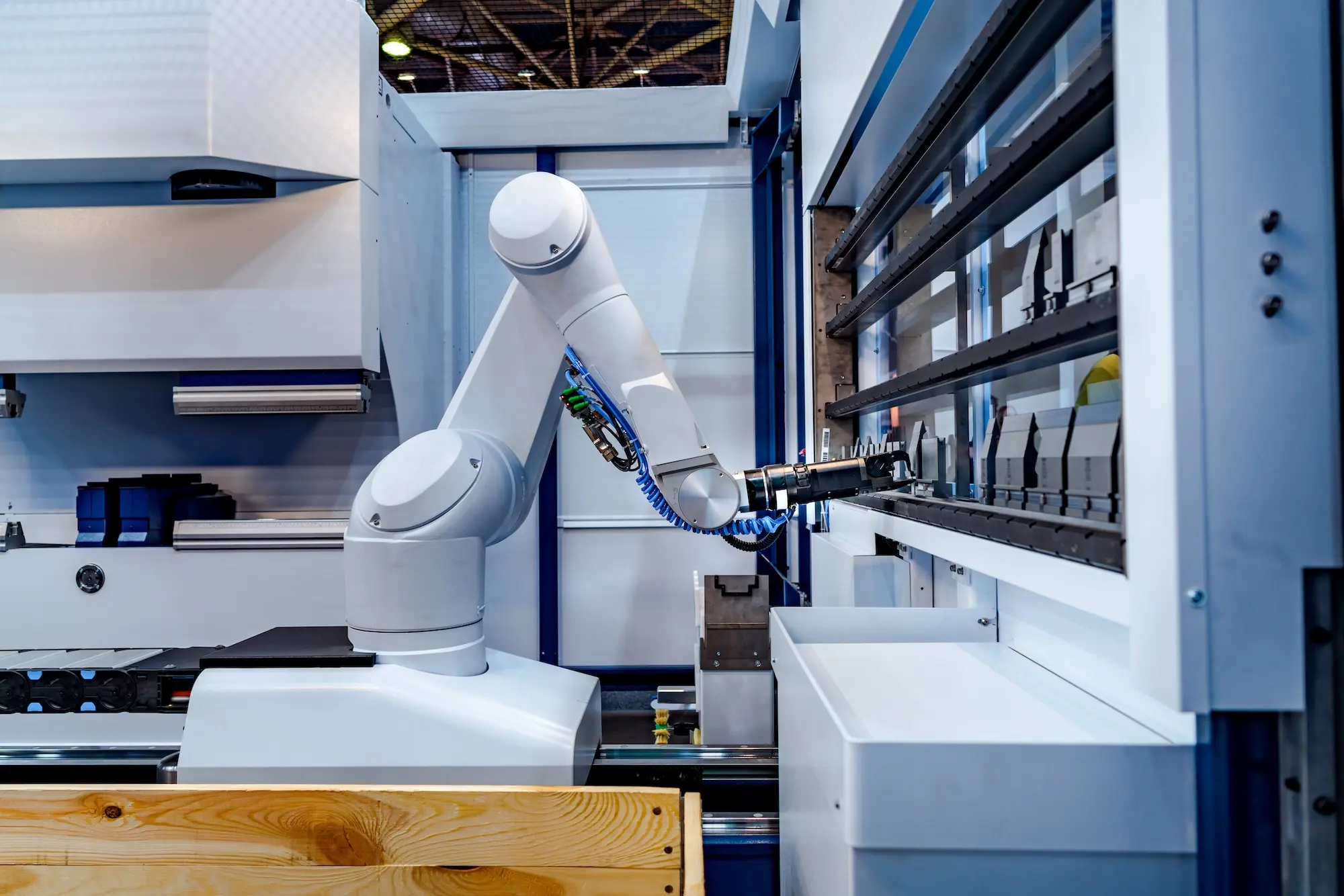
Robotic arms are increasingly used at pick stations, goods-in areas and palletising lines. FANUC's CRX-30iA, showcased at MODEX 2026, is a collaborative mobile manipulator that handles palletising and depalletising at high throughput while working safely alongside human operators. These cobots are designed to reduce physical strain and lower error rates on lines that previously relied entirely on manual handling.
Inventory Scanning Robots
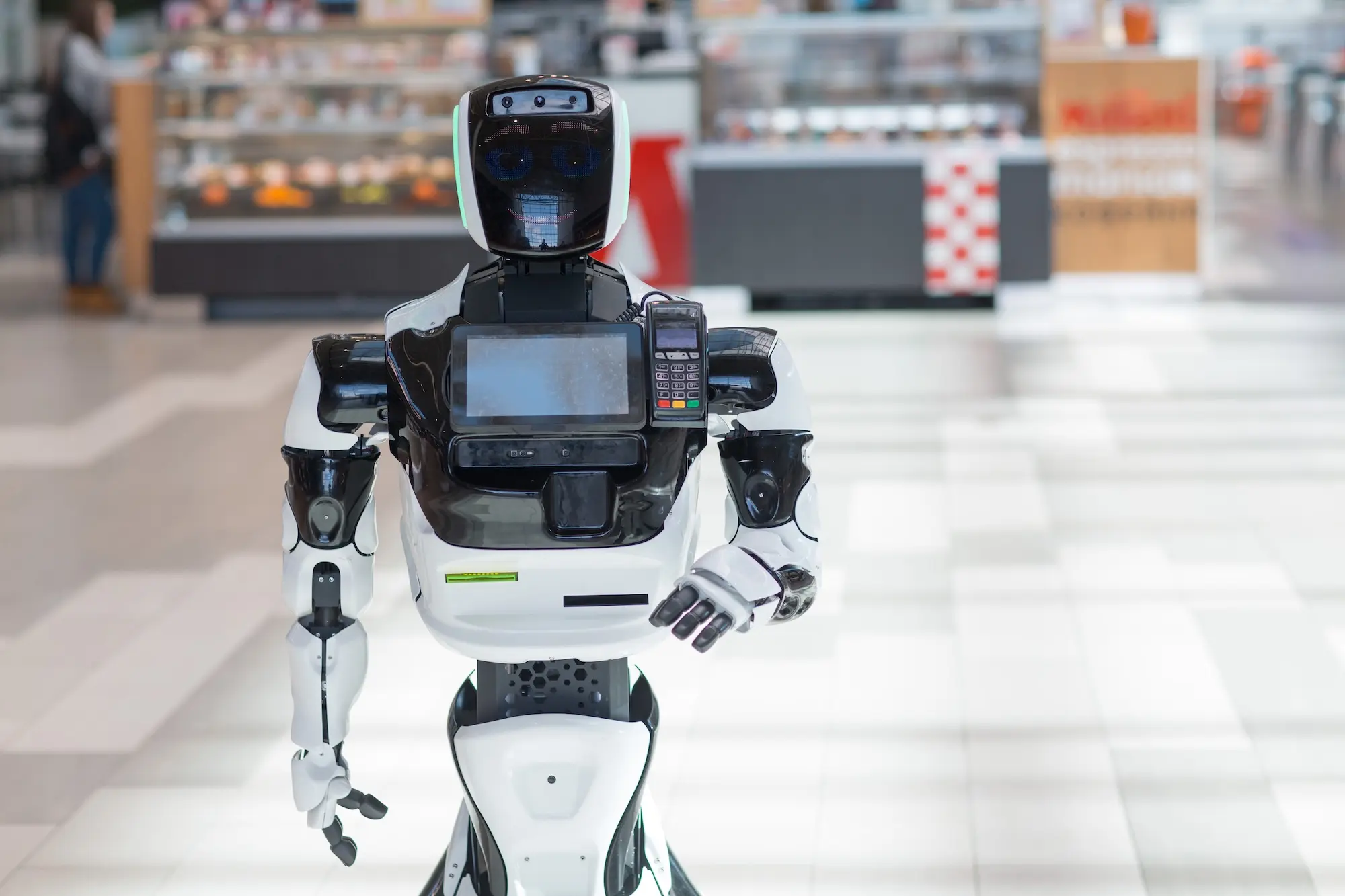
Autonomous scanning robots like those developed by Dexory operate alongside staff without disrupting workflows. The latest generation scans at a range of up to 60 feet and continuously feeds data into a live digital twin of the warehouse, giving operations teams real-time visibility of stock location, levels and storage health. This kind of continuous intelligence allows teams to act on inventory discrepancies and potential compliance issues before they become costly problems.
Key Benefits of Warehouse Robotics
Let’s not forget that warehouses need to run like tight ships to be successful. Slow or ineffective processes ultimately lead to lower output and productivity.
The beauty of warehouse robotics is that they look to solve specific challenges that can’t always be achieved by human effort alone. Rather than replacing human labour altogether, warehouse robotics look to supercharge it through the following benefits.
Productivity Gains
Automated picking systems remove the need for staff to walk miles of aisles each shift. According to online reports, one DHL site reported doubled productivity after an AMR rollout.
Improved Accuracy And Reduced Error Rates
Robots do not misread labels or pick the wrong item due to fatigue. Automated systems consistently outperform manual processes on order accuracy, which directly reduces returns and customer service overhead.
Scalability During Peak Periods
Modular robotic systems can be scaled up during busy periods without the lead times associated with hiring and training seasonal staff. AMRs in particular can be added to a fleet and operational within days.
Faster Deployment
Integration platforms like SVT Robotics' SOFTBOT are cutting system deployment times significantly.DHL rolled out the platform across 30 sites with deployment times up to 12 times faster than traditional integration methods, with plans to reach 100 sites.
Improved Staff Wellbeing
Removing physically demanding and repetitive tasks from human roles reduces injury risk and fatigue, which in turn improves retention and reduces absence. Robotic systems take on the strain while workers move into supervisory, technical and exception-handling roles.
Data And Visibility
Modern robotics systems are paired with warehouse management software and digital twin platforms that give operations teams a live view of throughput, inventory accuracy and system health. This data enables better decisions and faster responses to problems.
How Racking May Need to Adapt
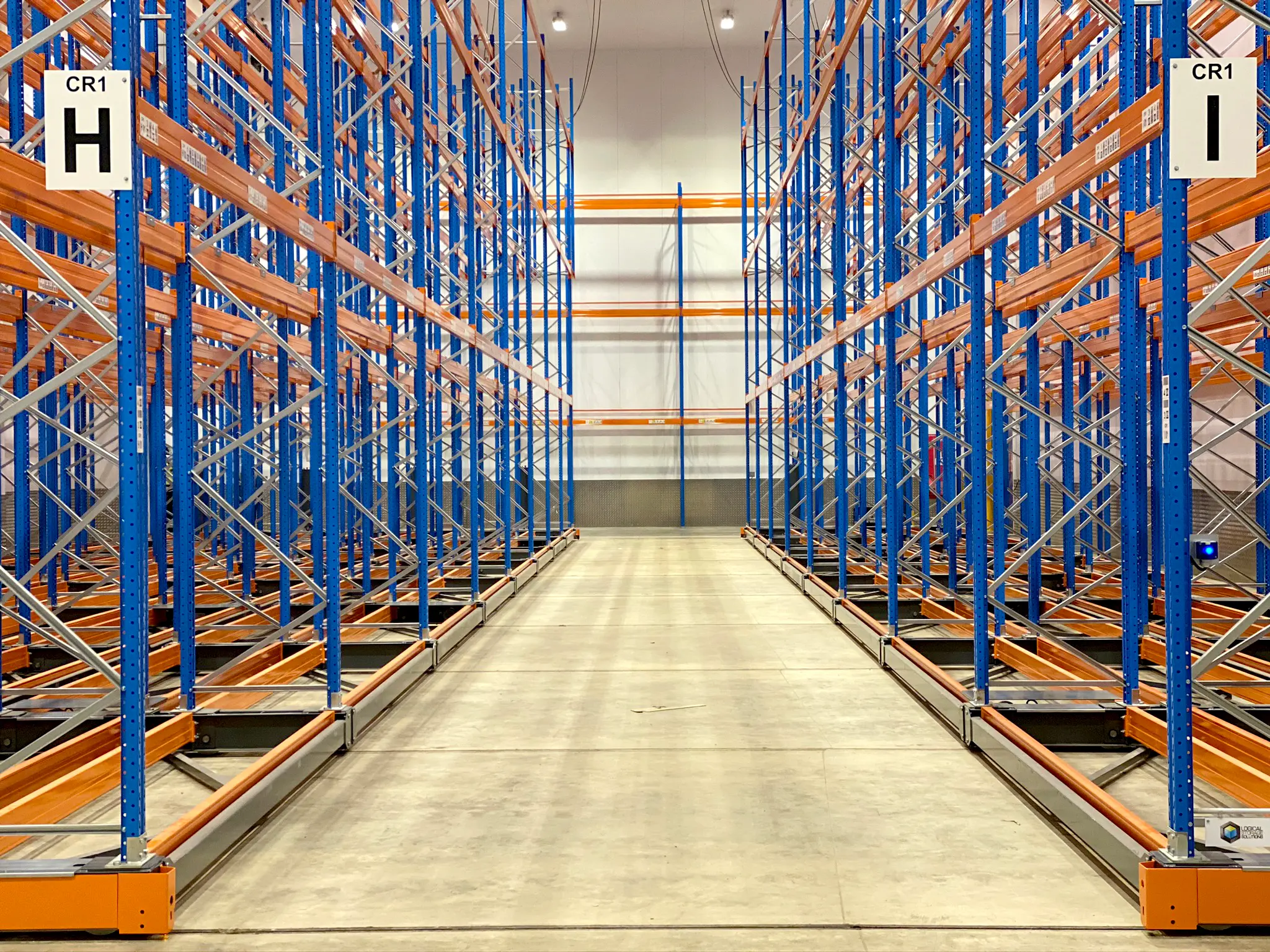
Introducing robotics into a warehouse does not always mean a complete infrastructure overhaul, but it does often require rethinking how racking is configured.
Aisle Widths And Clearances
AMRs generally require less aisle space than counterbalance forklifts, which can allow for denser racking layouts and better use of floor area. However, the specific clearances will depend on the robot model and the load sizes being handled, so layout planning should be done in conjunction with both the racking supplier and the robotics vendor.
Racking Height And ASRS Compatibility
Goods-to-person and shuttle systems often require racking designed specifically for the system being installed. Bespoke ASRS racking must be structurally designed to accommodate the weight, speed and frequency of robotic carriers moving within it. Standard adjustable pallet racking is unlikely to be suitable without modification or replacement.
Floor Quality And Levelness
AMRs and AGVs rely on consistent floor surfaces to navigate accurately. Uneven or damaged floors can affect sensor performance and navigation reliability, so a floor survey is often recommended before deploying mobile robots in older facilities.
Rack Inspection And Safety
Automated systems interact with racking repeatedly at pace. Regular racking inspections in line with SEMA guidelines become even more important once robotics are in use, as minor impacts or damage that might be spotted and reported by a human operator can go unnoticed in an automated environment. Storage health monitoring tools, such as those offered by Dexory, are increasingly being used to address this gap.
Retrofitting Vs New Builds
One of the most important developments in 2026 is that warehouse automation no longer requires a greenfield facility. Flexible AMRs in particular are designed to work with existing floor plans and racking layouts. Businesses looking to automate should not assume a full redevelopment is required before taking the first step.
Is Warehouse Robotics Right for Your Business?
The starting point is understanding where your operation's biggest inefficiencies lie. If picking speed is the bottleneck, an AMR fleet or G2P system may deliver the fastest return. If storage density is the problem, a shuttle or ASRS solution may be a better fit. If inventory accuracy is costing you time and customer trust, an autonomous scanning robot may offer the quickest win.
The technology is mature, the deployment timelines are shortening and the business case is well evidenced across a growing range of sectors.For warehouse operators yet to take the first step, 2026 is a practical moment to start.
Looking To Adapt Your Storage Racking For Warehouse Robotics? Talk To Us Today
At Logical Storage Solutions, we help ecommerce companies and similar businesses which have large warehouse storage facilities to maximise the potential of their space.
For many of our clients, aligning with the latest technology such as warehouse robotics, is a priority. Our team can help ensure your racking type and overall design align with your goals to use robotics to grow and scale your business.
To get a free quote for any of our warehouse storage services, please get in touch.
Or, to speak with our friendly team directly, call us on 0845 689 1300.