

Warehouse racking systems are easy to overlook when everything appears to be running smoothly. When loads are moving, shelves are full and the warehouse floor is busy, maintenance can feel like a low priority compared to the day-to-day demands of your operations.
However, ignoring the condition of your racking is rarely a cost-free decision.
The visible costs of a racking failure are obvious. Damaged stock, injured staff and unplanned downtime all have an immediate and measurable impact on the business.
What is less obvious are the hidden costs that accumulate long before any incident occurs.
To run you through some of these hidden expenses, the pallet racking experts at Logical Storage Solutions are here to explain all.
Safety & Injury Risks
The most immediate and serious cost of poor maintenance is safety. Damaged or unstable racking can lead to falling loads, collapsed bays or forklift collisions which in turn is putting workers at risk of serious injury and harm within the workplace.
As a result, beyond the human cost, businesses face compensation claims, investigations and increased insurance premiums which is never a great sign for the business overall finances or reputation. This is why prevention is far cheaper than dealing with the aftermath of an avoidable accident.
Unplanned Repairs And Premature Replacement
A minor dent or loose anchor bolt may seem harmless and nothing to worry about however, left unchecked could worsen over time and create a bigger issue. This could lead to rust, corrosion or unnoticed impacts that can compromise structural integrity that could lead to a safety issue for employees or damaged goods.
As a result, instead of small, affordable fixes, businesses often end up paying for complete rack replacements, emergency labour and costly downtime that could have been avoided with a regular inspection programme led by either an external contractor or an inhouse manager.
Product Damage And Inventory Loss
On the topic of damaged goods, when racking is unstable, it’s not just the structure at risk, as the goods it holds can be damaged too. Collapsed beams or unlevel shelves can lead to product breakages, spoilage and shrinkage which is not ideal for business operations especially when working in peak seasons. This not only affects immediate profits but also disrupts fulfilment schedules, leading to unhappy customers and reputational harm.
Operational Inefficiency
Even if the racks don’t collapse, neglect can slowly erode productivity. Leading to misaligned beams and uneven shelving make picking slower and less safe for employees. This makes life harder with restricted aisles or blocked zones reducing usable space, forcing staff to work inefficiently and extending order lead times.
Regulatory & Compliance Penalties
In the UK, warehouse operators have legal duties under health and safety legislation to maintain racking systems properly. Failure to do so can result in enforcement notices, fines or even prosecution. This is why routine inspections, documentation and repairs aren’t just best practice, they’re part of compliance. Staying ahead of requirements protects both your team and your reputation.
Key Maintenance Strategies: Preventing the Costs Before They Hit
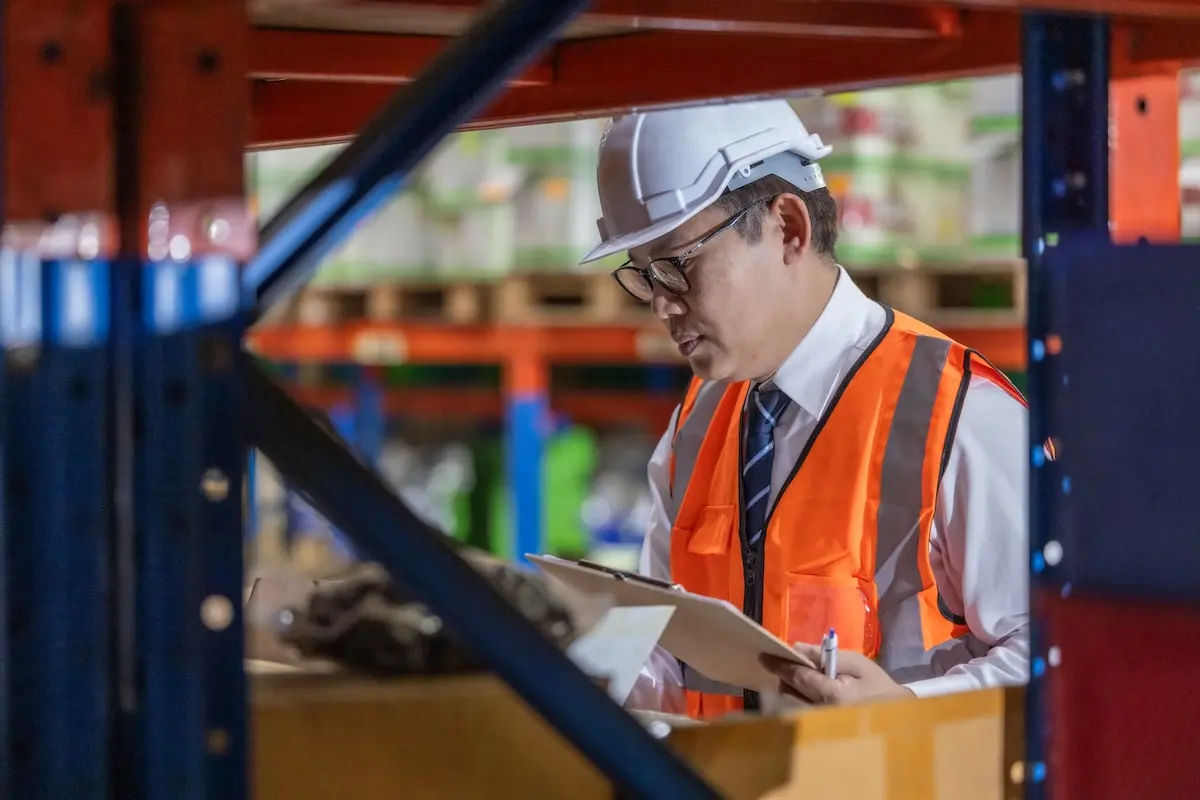
Preventing racking damage from becoming a serious problem comes down to having the right maintenance habits in place before issues have a chance to develop. Reactive repairs will always cost more than proactive ones, both in terms of direct expense and the operational disruption that comes with unplanned downtime. The good news is that most of the costs associated with racking neglect are avoidable with a straightforward and consistent approach to maintenance. The following strategies set out the practical steps warehouse operators can take to keep their racking in safe working order and protect the business from the financial and safety consequences of letting standards slip.
Regular Inspections
Introduce a structured inspection schedule of all warehouse pallet racking. This could include monthly visual checks and annual professional audits which can help identify issues early. The main key is to look for bent uprights, damaged beams, missing locking pins or corroded components.
Other businesses have found that using colour-coded tags or inspection labels to keep a visible record of inspection dates and statuses to be helpful as this can be easily recognisable to the whole team.
Load Management and Safe Use Policies
Overloading is one of the most common causes of rack failure, we all want to maximise our spaces in any way that we can but, ensure all racking has clearly displayed load limits and that staff understand them is vital for their safety and for the maintenance of the racking themselves.
To help with this, providing training on safe loading techniques and the risks of unevenly distributed weights or pallet impacts is such a small change for a large impact to the business warehouse operations. Remember consistency is key and even a single overloaded bay can compromise an entire system.
Staff Training & Awareness
Your warehouse team is the first line of defence. This is why training them to spot signs of damage and report them immediately is so important. One great tip is to make sure you encourage a culture of safety where reporting is rewarded and not ignored. Maximising your employees potential whilst still motivating them is a key to a happy and smoother operation. Empowered employees will help you to detect small issues before they become serious problems.
Quality Materials & Professional Repairs
Use high-quality, certified components when installing or repairing racking. Avoid makeshift fixes or incompatible parts, which can weaken the system. When repairs are required, use qualified technicians who understand load-bearing requirements and industry standards.
Professional Audits & Documentation
Schedule periodic audits by a SEMA Approved Racking Inspector (SARI) or similar certified professional. Maintain comprehensive records of all inspections, findings and corrective actions. This documentation demonstrates compliance and can reduce insurance risks, providing evidence that safety management is proactive.
Integrate Racking Care into Operations
Racking maintenance should be built into your annual warehouse plan and not treated as an afterthought. Make sure to allocate time for inspections during quieter months and budget for both routine upkeep and emergency repairs.
The Return on Investment (ROI) of Proactive Maintenance
Regular racking maintenance may seem like an extra expense, but the long-term returns are substantial:
- Reduced downtime from unplanned breakdowns
- Lower product losses through damage prevention
- Improved safety leading to fewer claims and injuries
- Extended equipment lifespan
- Enhanced compliance with legal and insurance requirements
Measure the impact through metrics such as inspection frequency, reported rack damage incidents and maintenance costs versus downtime savings. You’ll likely find that small investments in prevention yield significant savings over time.
Year-Round Racking Maintenance Checklist
Here’s a quick audit to gauge your current maintenance readiness:
- Are all racking load limits clearly labelled and visible?
- Are monthly or quarterly visual inspections being conducted?
- Is there any visible damage — such as bends, cracks or corrosion?
- Do staff know how and where to report racking damage?
- Are repairs completed promptly using approved parts?
- Are inspection and maintenance records kept up to date?
- Has a professional racking inspection been carried out in the past year?
- Is rack safety training included in new employee inductions?
If you answered “no” to any of these, now is the time to strengthen your maintenance plan before problems escalate.
Is Your Racking Due An Inspection?
A well-maintained racking system is the backbone of a safe, efficient warehouse. Inspect it regularly, train your staff, and treat maintenance as an investment and not as an expense.
Logical Storage Solutions provides professional racking inspections, repairs and maintenance programmes for warehouses across the UK. Whether you need a one-off assessment or ongoing support, our team can help you stay compliant and keep your operation running safely.
Our expert team is on hand to help. Please call us on 0845 689 1300 or send us a message for a free quote.